Follow Us :
customer@example.com
That Consumes
That Tightens Breath
That Compares
That Clings
Untouched
That Burns
That Separates
That Pulls Downward
That Contracts
That Never Rests
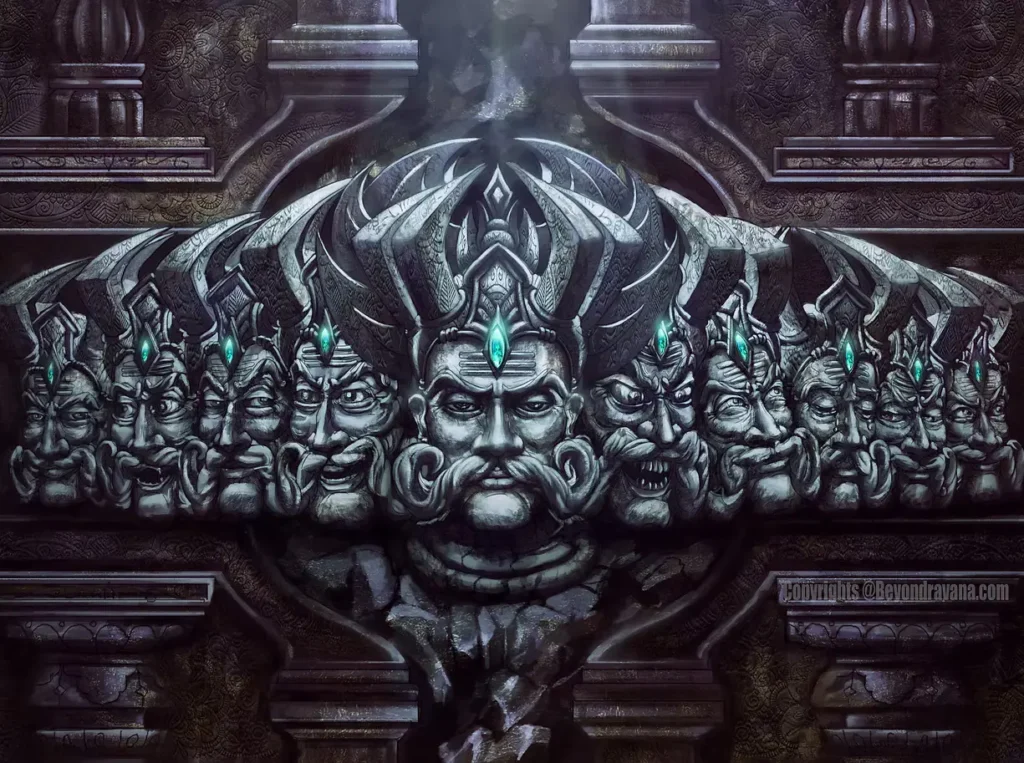
In Hindu philosophy, Ravana is not merely a figure but a powerful inner symbol of human suffering. Ravana comes from the epic Ramayana, were Ravana is portrayed as the embodiment of inner conflict, while Ram represents truth, fearlessness, and a life lived in clarity and harmony.
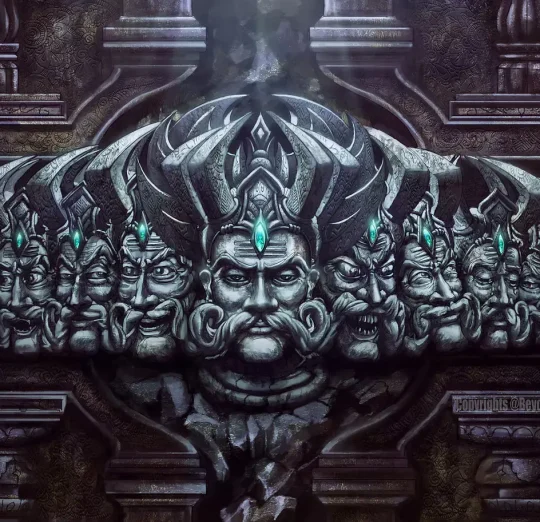
Ravana is traditionally depicted as a ten-headed king. Symbolically, nine of these heads represent the dominant human emotions that bind us to misery: Anger, Pride, Jealousy, Happiness (when clung to), Sadness, Fear, Selfishness, Passion, Ambition.
To say “I am Ravana” is not self-judgment. It is honesty. It is seeing that suffering is not imposed upon us, but quietly created — through borrowed beliefs, inherited fears, and unexamined emotions.
This seeing is awareness. And awareness, once awakened, naturally longs to move beyond noise, beyond fear, into silence.
Yes, you are in fear—and you know it.
This fear is Ravana within you: not an enemy, but a projection of the restless mind.
You do not become free by fighting it, but by being unafraid to see it as it is. In that seeing, the false heads fall away, and knowing yourself begins.